The 16 trees and how they fared
Sixteen broadleaf species — six native to northern Europe and ten from elsewhere — were flooded for 3 or 10 days and compared with well-watered control trees.
The badge on each card shows how the tree coped. After 10 days of flooding, each tree got a combined performance score (SPI, 1.0 = same as unflooded): Coped well 0.75–1; Moderately affected 0.5–0.75; Strongly affected below 0.5.
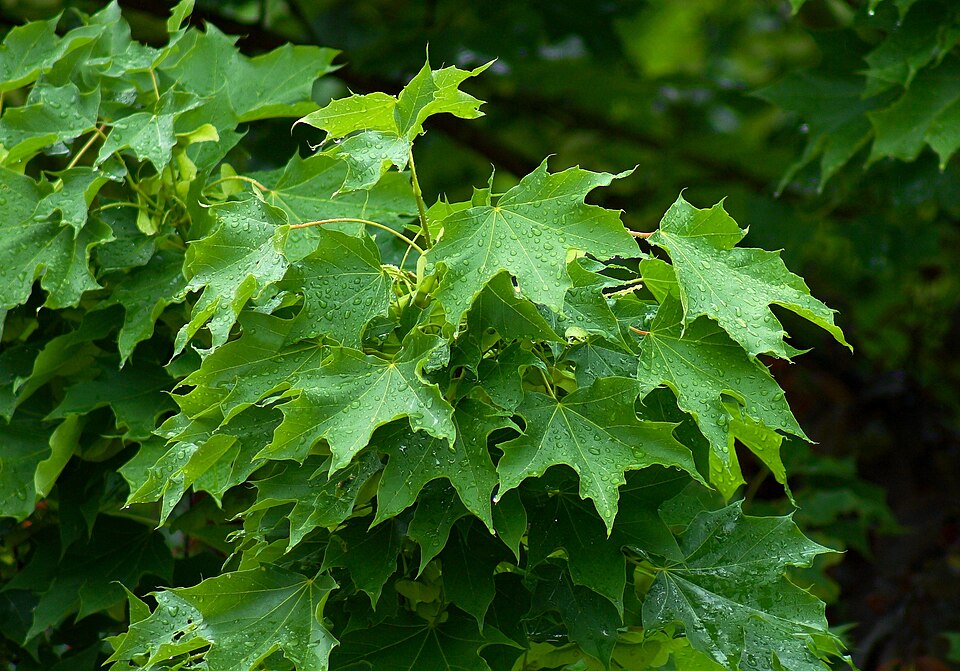
Norway maple
Acer platanoides Native Moderately sensitive
Photosynthesis dipped during the 10-day flood but rose again during recovery — a quick bounce-back.
Coped well SPI 0.75–1
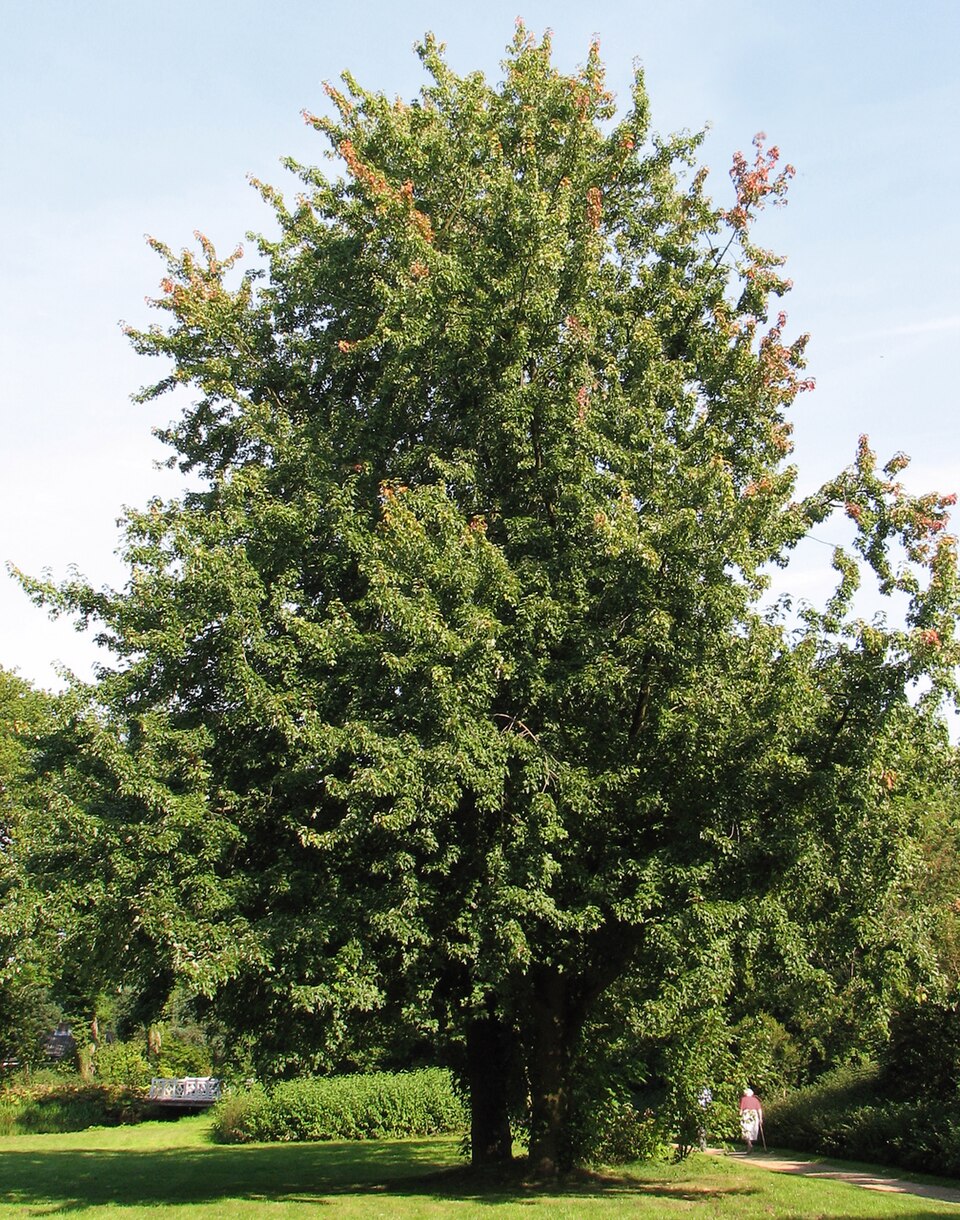
Silver maple
Acer saccharinum Eastern North America Moderately tolerant
Among the least affected of all 16 species. Photosynthesis and pore openness rose during recovery, and the leaf-machinery measure (Fv/Fm) dipped at the end of the 10-day flood but fully recovered.
Coped well SPI 0.75–1
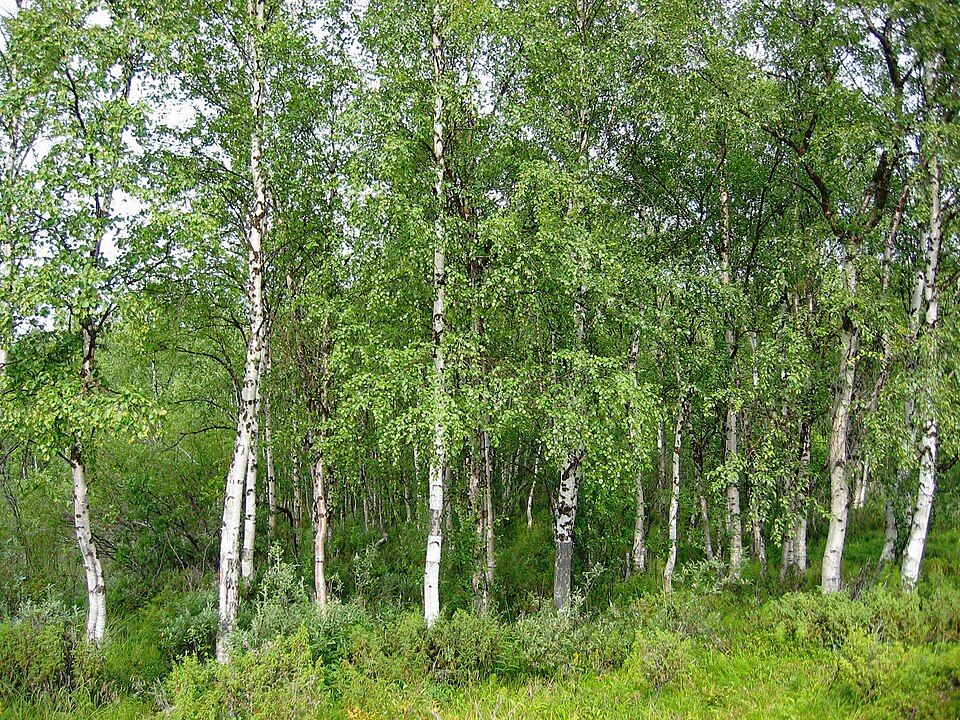
Silver birch
Betula pendula Native Sensitive
Coped well overall. The only sign of stress was lower leaf water potential after recovery from the 10-day flood.
Coped well SPI 0.75–1
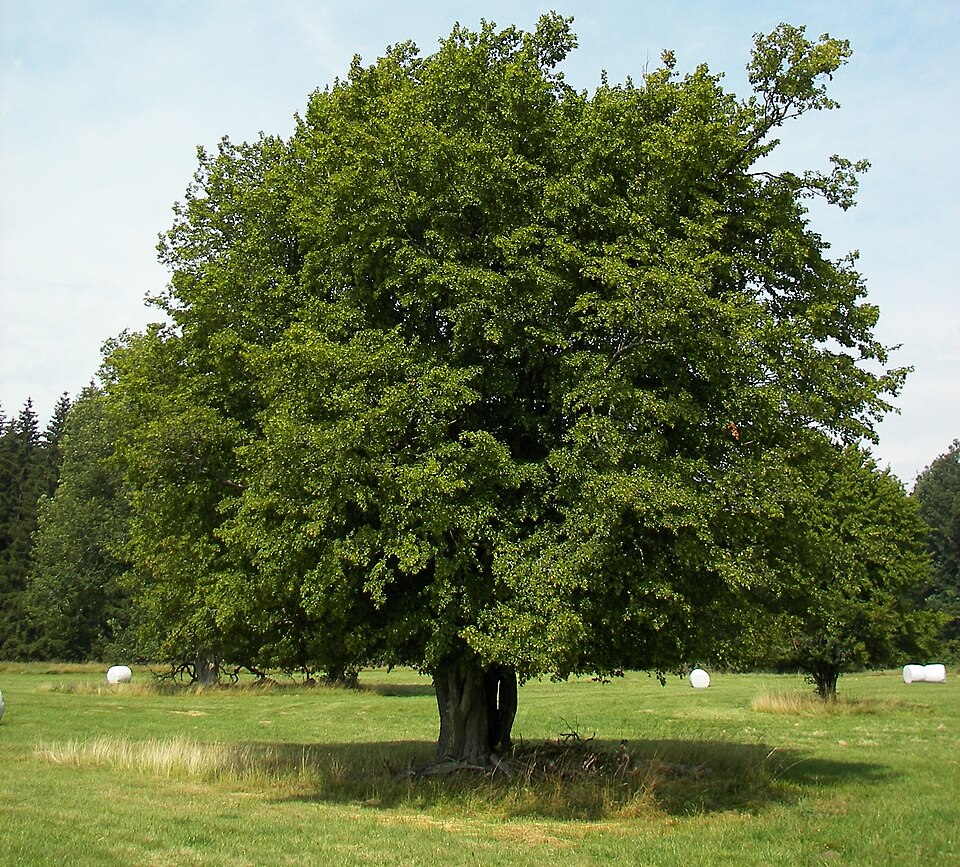
European hornbeam
Carpinus betulus Native Sensitive
Coped well, with no significant declines reported.
Coped well SPI 0.75–1
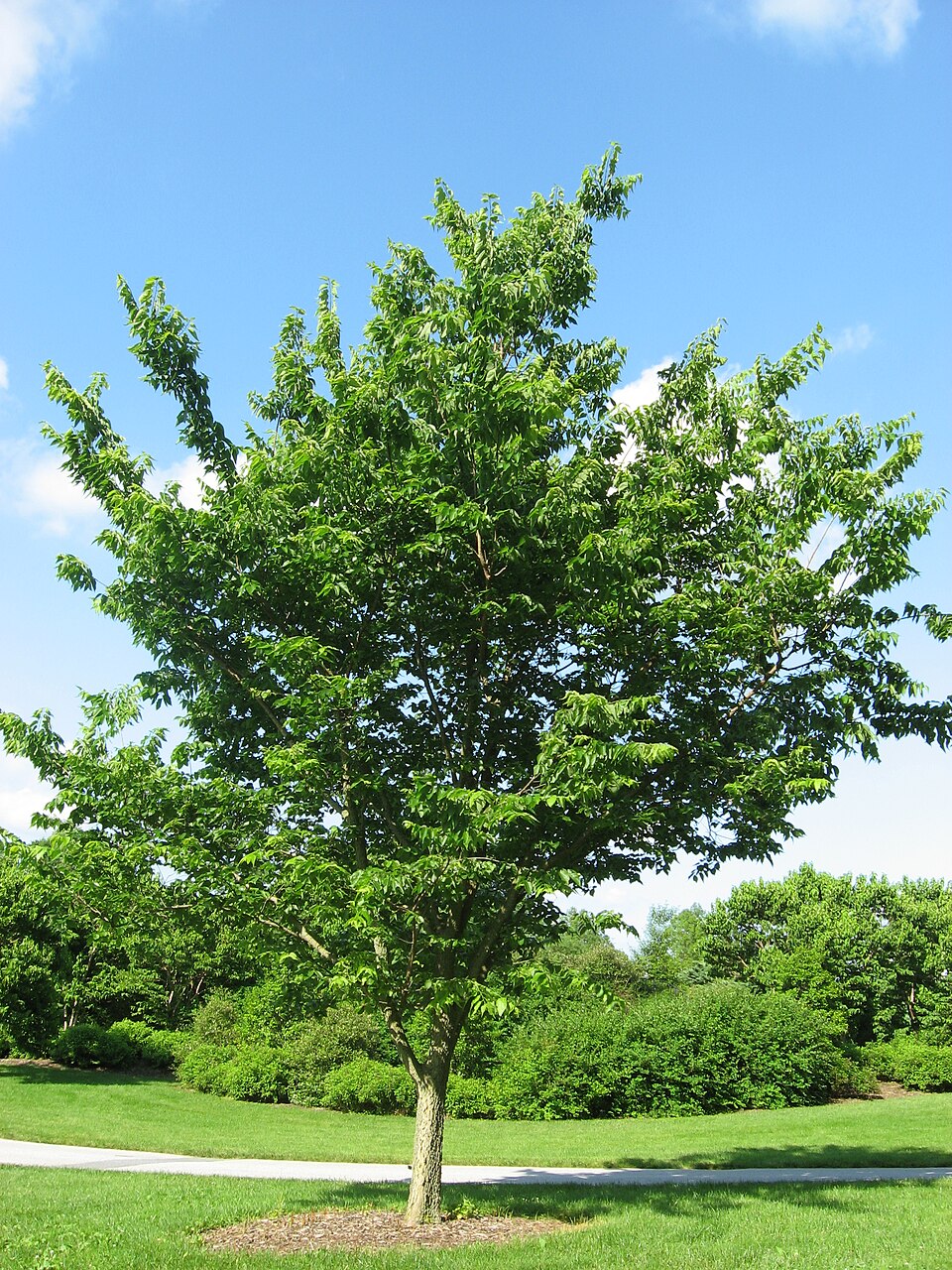
Common hackberry
Celtis occidentalis North-eastern and central North America Moderately sensitive
Photosynthesis fell after recovery from the 3-day flood. After the 10-day flood, photosynthesis, pores and leaf machinery were all still reduced after recovery — delayed damage.
Moderately affected SPI 0.5–0.75
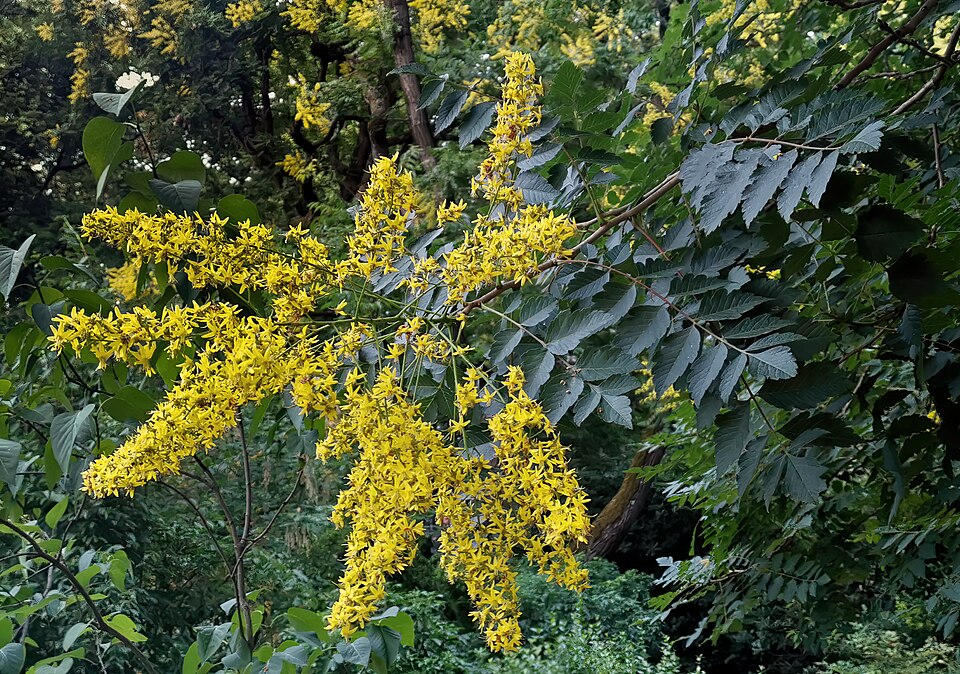
Goldenrain tree
Koelreuteria paniculata Northern and central China Sensitive
Leaf machinery (Fv/Fm) fell by the end of the 10-day flood but recovered. Leaf nitrogen fell, without a drop in photosynthesis.
Moderately affected SPI 0.5–0.75
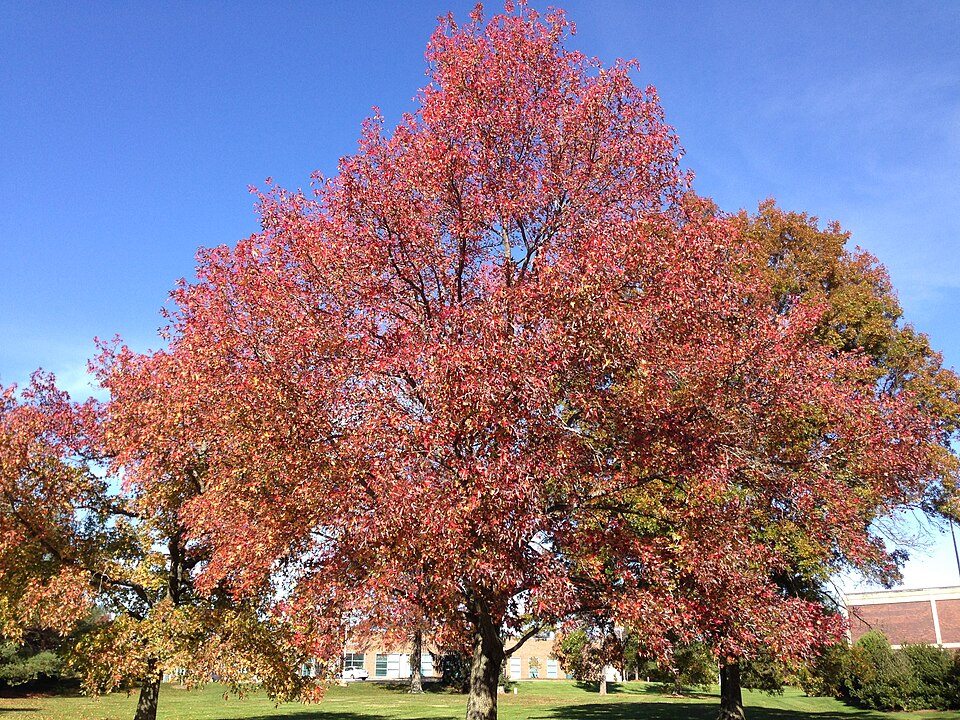
Sweetgum
Liquidambar styraciflua North and central America Moderately tolerant
Among the least affected; photosynthesis and pore openness rose during recovery.
Coped well SPI 0.75–1
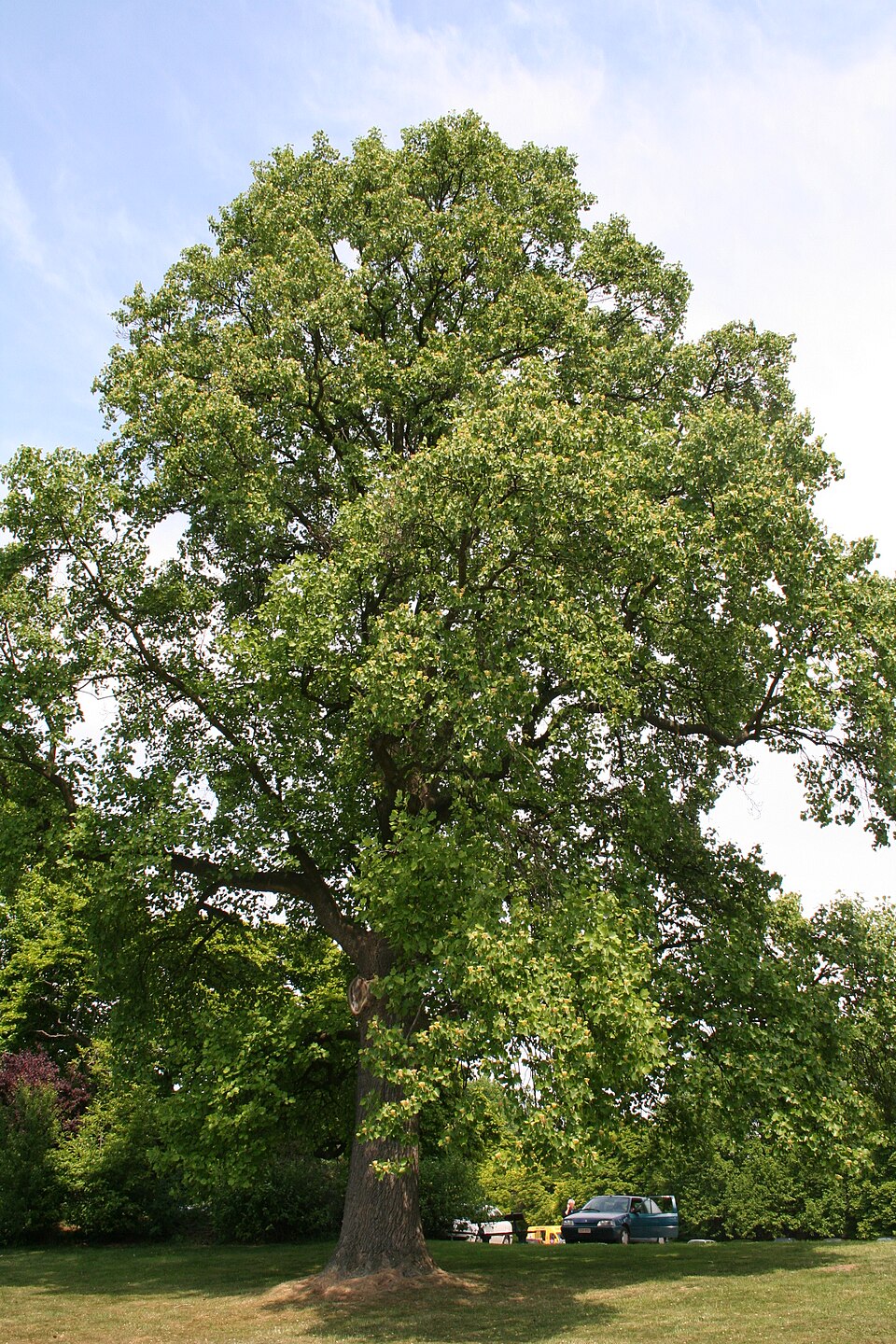
Tulip tree
Liriodendron tulipifera North America Sensitive
Hard hit: leaf machinery was still damaged after recovery from the 10-day flood, and vitality dropped with leaves lost.
Strongly affected SPI below 0.5
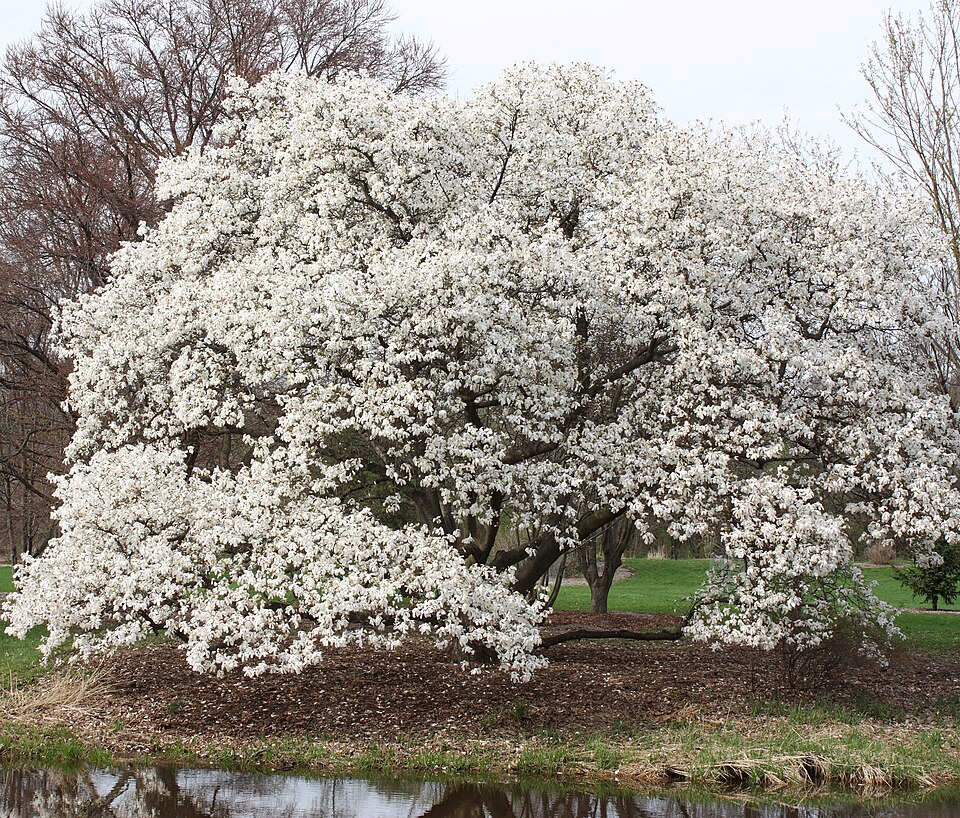
Kobus magnolia
Magnolia kobus Japan Moderately sensitive
Delayed damage: leaf machinery fell only after recovery, leaf nitrogen dropped, and vitality declined.
Moderately affected SPI 0.5–0.75
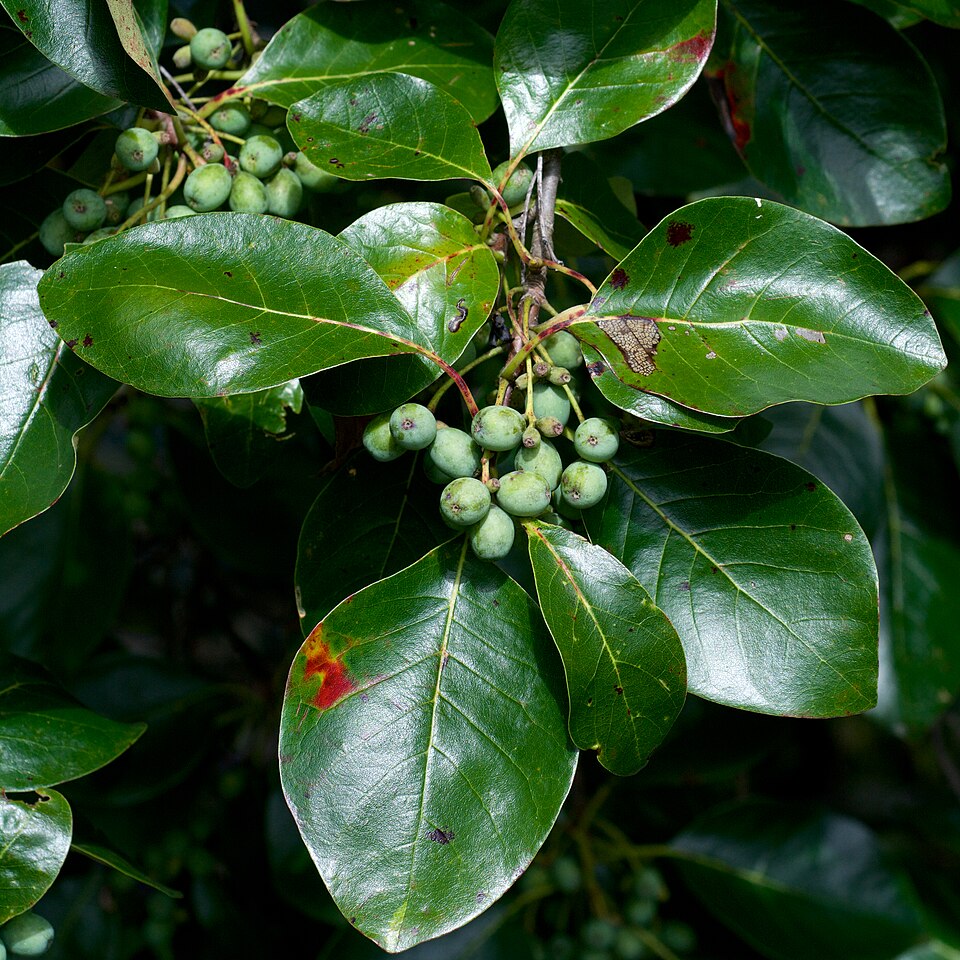
Black tupelo
Nyssa sylvatica North and central America Moderately sensitive
Coped well, with no significant declines reported.
Coped well SPI 0.75–1
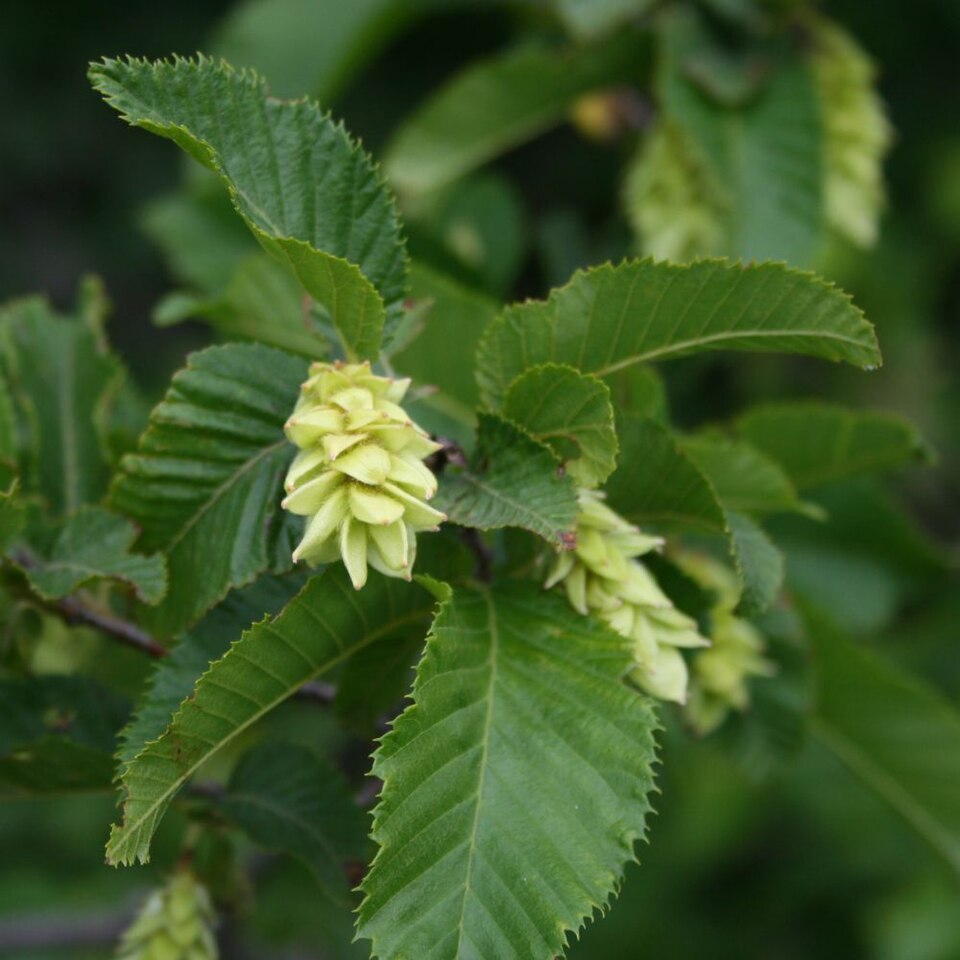
Hop hornbeam
Ostrya carpinifolia Southern Europe, Balkans and Caucasus Sensitive
The most sensitive species in the study: the only one clearly hurt by just 3 days of flooding — photosynthesis, pores, vitality, leaf loss and leaf water potential were all affected. After the 10-day flood, leaf machinery was still damaged after recovery.
Strongly affected SPI below 0.5
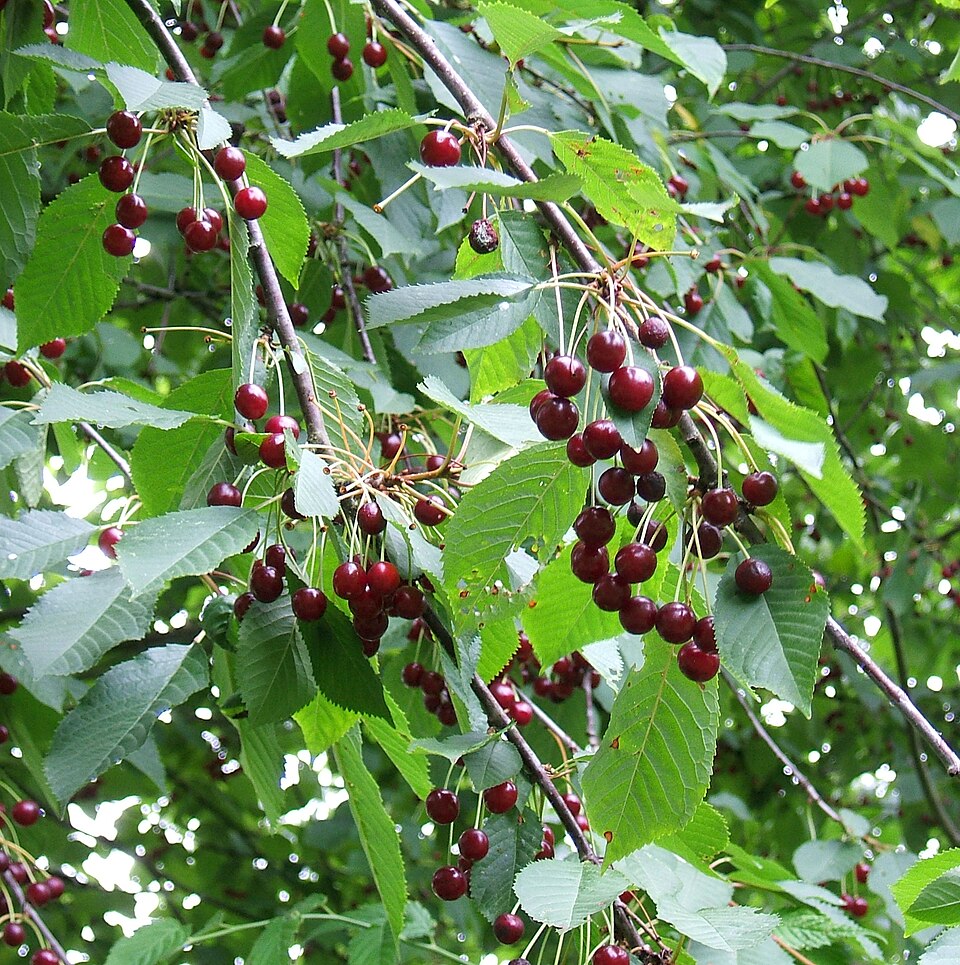
Wild cherry
Prunus avium Native Sensitive
Hurt by both treatments: photosynthesis and pores were down after 3 days and still down after recovery from 10 days; leaf machinery fell after recovery and leaf nitrogen dropped.
Strongly affected SPI below 0.5
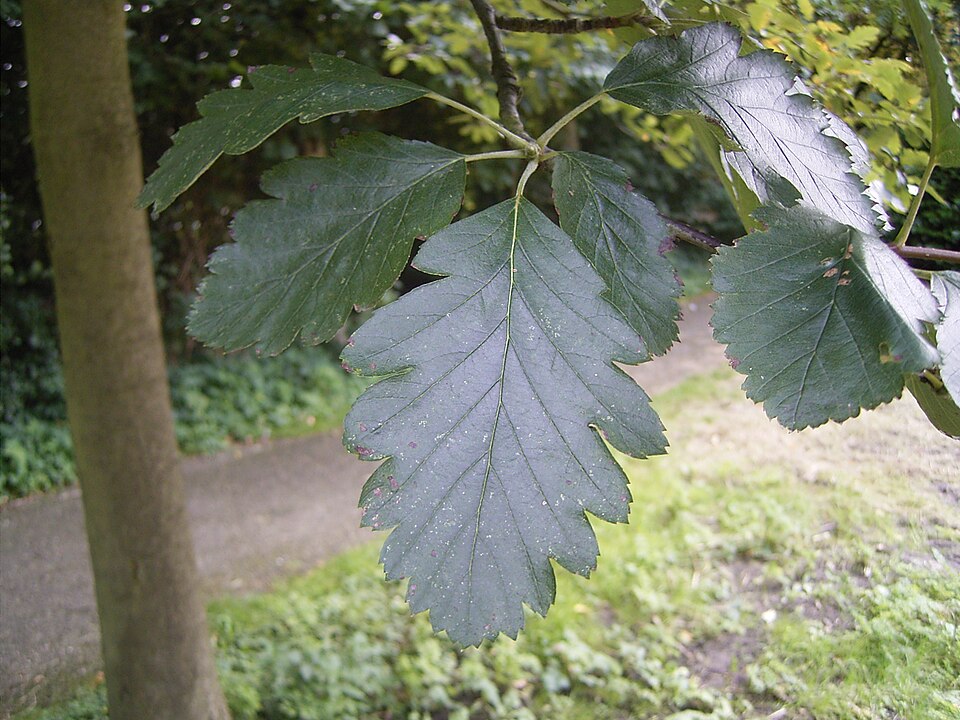
Swedish whitebeam
Sorbus intermedia Native Sensitive
Leaf nitrogen fell after the 10-day flood without a photosynthesis drop; coped well overall.
Coped well SPI 0.75–1
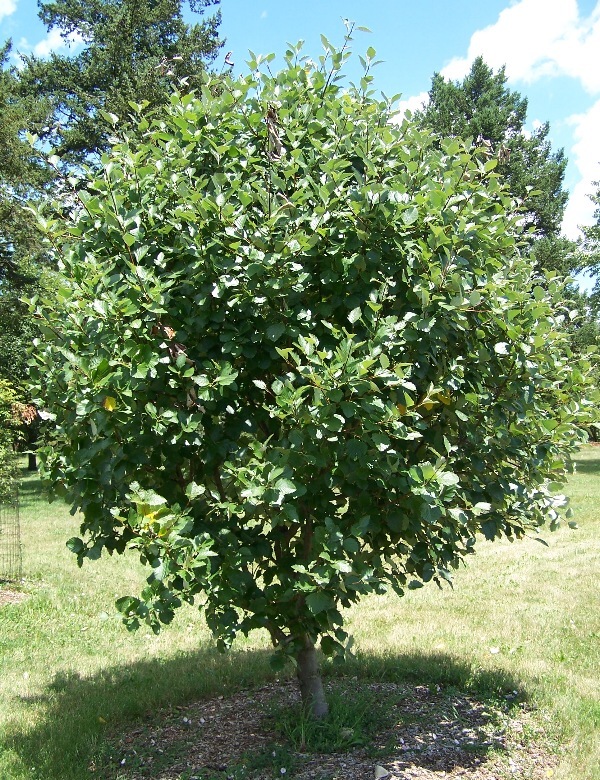
Service tree of Fontainebleau
Sorbus latifolia Central Europe Sensitive
Vitality and leaf nitrogen were down after the 10-day flood.
Moderately affected SPI 0.5–0.75
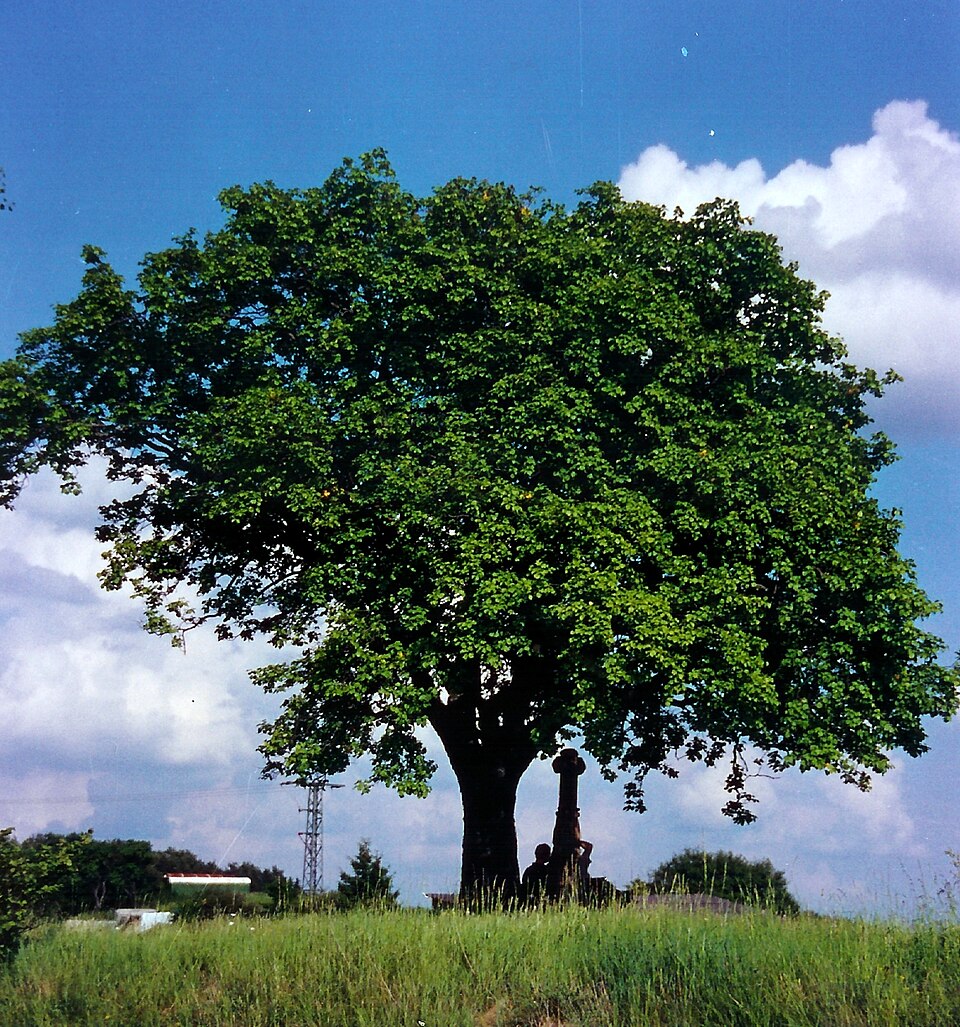
Wild service tree
Sorbus torminalis Central and southern Europe Sensitive
Coped well, with no significant declines reported.
Coped well SPI 0.75–1
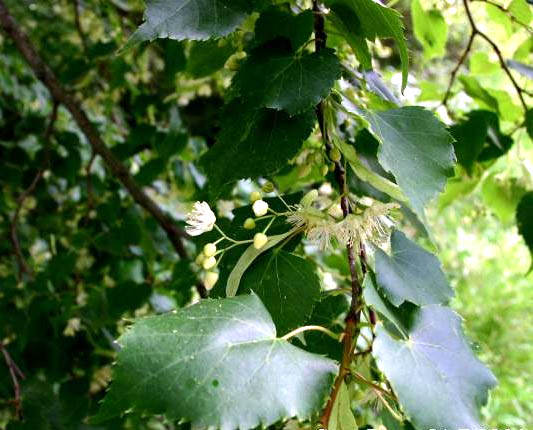
Small-leaved lime
Tilia cordata Native Sensitive
Photosynthesis and pore openness rose during recovery — a quick bounce-back; coped well.
Coped well SPI 0.75–1
Summary table
| Tree | Native to | Expected flooding tolerance | Performance after 10-day flood |
|---|---|---|---|
| Norway maple | Northern Europe | Moderately sensitive | Coped well |
| Silver maple | Eastern North America | Moderately tolerant | Coped well |
| Silver birch | Northern Europe | Sensitive | Coped well |
| European hornbeam | Northern Europe | Sensitive | Coped well |
| Common hackberry | North-eastern and central North America | Moderately sensitive | Moderately affected |
| Goldenrain tree | Northern and central China | Sensitive | Moderately affected |
| Sweetgum | North and central America | Moderately tolerant | Coped well |
| Tulip tree | North America | Sensitive | Strongly affected |
| Kobus magnolia | Japan | Moderately sensitive | Moderately affected |
| Black tupelo | North and central America | Moderately sensitive | Coped well |
| Hop hornbeam | Southern Europe, Balkans and Caucasus | Sensitive | Strongly affected |
| Wild cherry | Northern Europe | Sensitive | Strongly affected |
| Swedish whitebeam | Northern Europe | Sensitive | Coped well |
| Service tree of Fontainebleau | Central Europe | Sensitive | Moderately affected |
| Wild service tree | Central and southern Europe | Sensitive | Coped well |
| Small-leaved lime | Northern Europe | Sensitive | Coped well |
Photo credits
The tree photos are illustrative images of each species from Wikimedia Commons (not the experimental trees). They are shown under the licenses listed; click a file name to see the original and the full license terms.
- Norway maple — Spitz-Ahorn(mbo).jpg by Martin Bobka (Martin120), CC BY-SA 2.5
- Silver maple — Silber-Ahorn_(Acer_saccharinum).jpg by Darkone, CC BY-SA 2.5
- Silver birch — Betula_pendula_Finland.jpg by Percita at Flickr, CC BY-SA 2.0
- European hornbeam — Carpinus_betulus_-_Hunsrück_001.jpg by Willow, CC BY 2.5
- Common hackberry — Celtis_occidentalis_20090606.jpg by Chhe, Public domain
- Goldenrain tree — (MHNT)_Koelreuteria_paniculata_-Leaves_and_inflorescences_-_Palais_Niel.jpg by Didier Descouens, CC BY-SA 4.0
- Sweetgum — 2014-11-02_13_06_29_Sweet_Gum_during_autumn_along_Lower_Ferry_Road_in_Ewing,_New_Jersey.JPG by Famartin, CC BY-SA 4.0
- Tulip tree — Liriodendron_tulipifera_(arbre)_-_Laeken.JPG by Jean-Pol GRANDMONT, CC BY 3.0
- Kobus magnolia — Magnolia_kobus_borealis.jpg by Bruce Marlin, CC BY-SA 3.0
- Black tupelo — Nyssa_sylvatica_v_sylvatica.jpg by Eric Hunt, CC BY-SA 4.0
- Hop hornbeam — Ostrya_carpinifolia_3.jpg by Franz Xaver, CC BY-SA 3.0
- Wild cherry — Prunus_avium_fruit.jpg by MPF, CC BY 2.5
- Swedish whitebeam — Zweedse_lijsterbes_27-08-2005_15.29.26.JPG by TeunSpaans, CC BY-SA 3.0
- Service tree of Fontainebleau — Sorbus_latifolia_Morton_261-93-5.jpg by Bruce Marlin, CC BY-SA 2.5
- Wild service tree — Sorbus_torminalis_Ripsdorf.jpg by Jan-Herm Janßen, CC BY-SA 3.0
- Small-leaved lime — Tilia-cordata2.JPG by Unknown author, CC BY-SA 3.0
.jpg)
.jpg)


_Koelreuteria_paniculata_-Leaves_and_inflorescences_-_Palais_Niel.jpg)

_-_Laeken.JPG)


